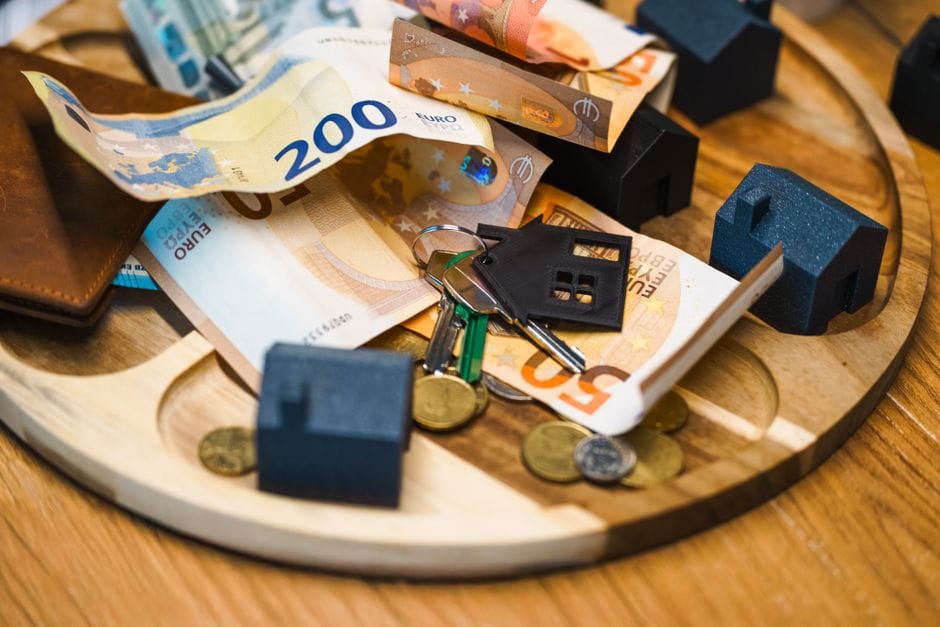
Throwing spare money at the mortgage feels virtuous, and often it is. But it ties cash up in bricks, so it is worth understanding exactly what you gain before you commit.
What overpaying does
Every extra pound you pay comes straight off the capital you owe, so you stop paying interest on it. Because mortgage interest compounds over decades, even modest regular overpayments can knock years off the term and save a striking amount in total interest. On a long mortgage, the effect is larger than people expect.
The case for
- Guaranteed return equal to your mortgage rate — you cannot lose it in a market.
- A shorter term and the freedom of owning your home outright sooner.
- Lower risk if rates rise, because you owe less.
The case against
- The money is locked in the house — you cannot easily get it back if you lose your job.
- If your savings or investments could earn more than your mortgage rate, your money may work harder elsewhere.
- Expensive debt, like credit cards, should always be cleared first.
The sensible order
Clear high-interest debt, build an emergency fund, and capture any employer pension match first. Only then does overpaying the mortgage make sense. Also check your lender's overpayment limit — many allow up to 10 per cent of the balance a year before charges apply. Within that limit, regular overpayments are one of the safest returns going.