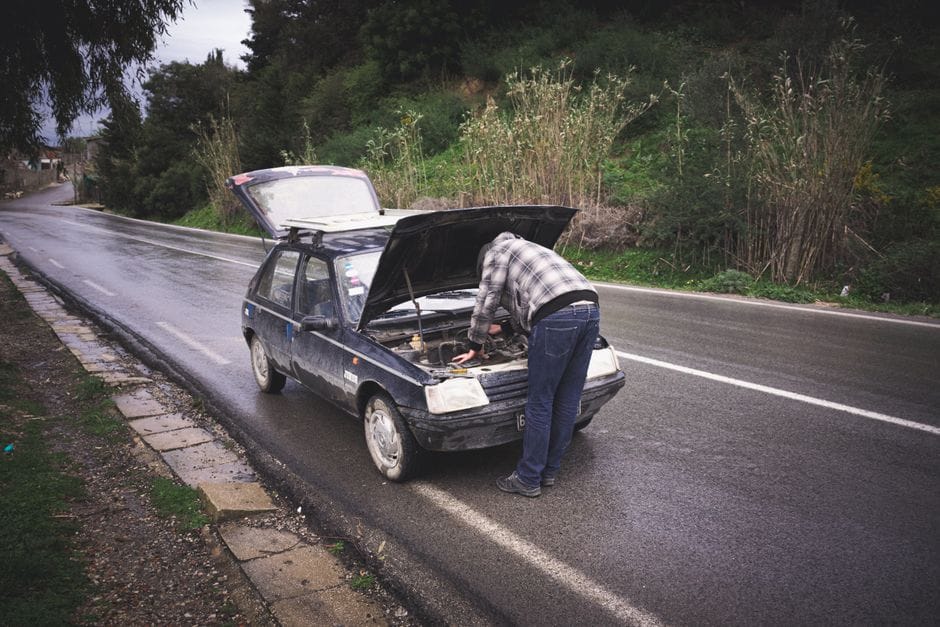
Breakdown cover is sold as essential and bought on autopilot, often more than once over by the same household. Before you renew, it is worth asking whether you need it at all, and whether you are already paying for it somewhere you have forgotten.
What it actually does
Breakdown cover sends help if your car fails at the roadside or refuses to start. Levels range from basic roadside assistance to full packages that recover you and your passengers home, provide a courtesy car, and cover you across Europe. The more it does, the more it costs.
Check what you already have
This is where people waste money. Breakdown cover is frequently bundled into things you already pay for:
- Packaged bank accounts that charge a monthly fee.
- Some car insurance policies as an add-on.
- New cars, which often come with manufacturer cover for a few years.
- Some credit cards and home insurance policies.
Dig out the paperwork before buying a standalone policy — you may be covered twice.
Who genuinely benefits
Cover earns its keep if you drive an older or higher-mileage car, rely on it daily, cover long distances, or would struggle to fund a one-off recovery, which can run to a few hundred pounds. If you drive a nearly new car short distances and have an emergency fund, you might reasonably self-insure and pay only if it happens.
The sensible approach
Match the level to your real risk rather than buying the top tier by default, and never pay for the same cover twice. A quick audit of your existing policies often saves the whole premium.