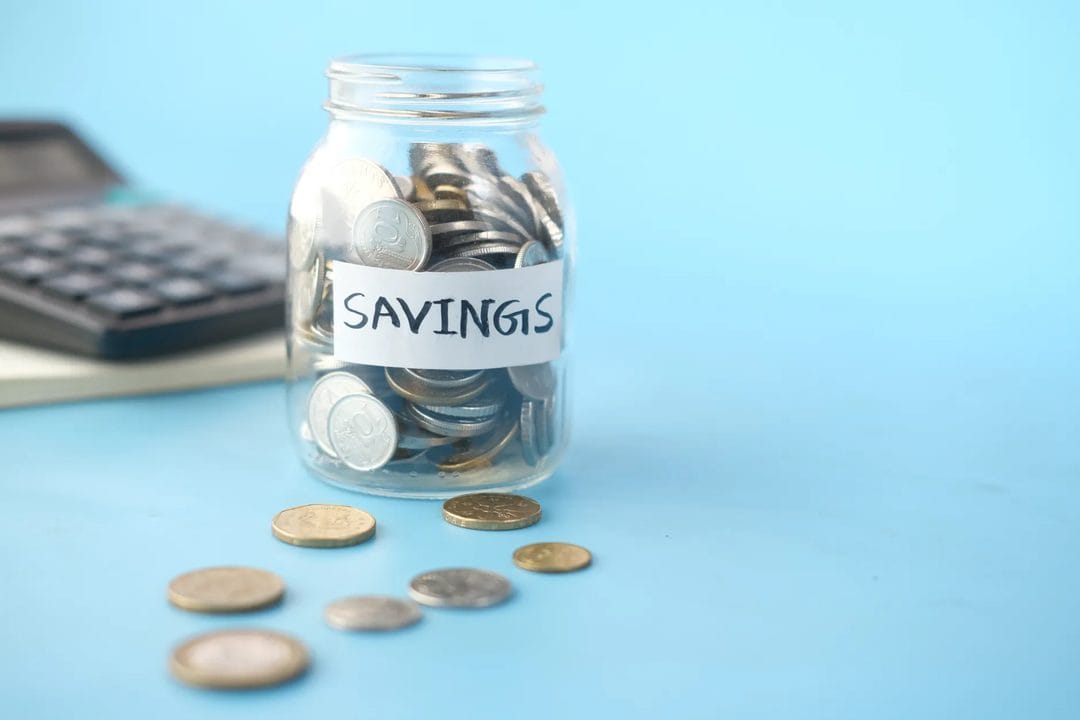
There's a peculiar comfort in watching a savings balance sit still. It doesn't lose money, the number never goes red, and you can get at it whenever you like. The trouble is that "doesn't lose money" and "keeps its value" are not the same thing, and the gap between them is where a lot of perfectly sensible people quietly go backwards every year without noticing.
If you've got a few thousand pounds parked in the current account it came into — and most of us have, at some point — this is the dull, unglamorous bit of money admin that's actually worth an afternoon. Not because it'll make you rich. Because it stops you losing ground for no reason at all.
The bank you're loyal to isn't loyal back
Here's the uncomfortable starting point. The big high-street banks pay almost nothing on their standard easy-access savings. Barclays, Lloyds, NatWest — their headline instant-access accounts have been crawling along at around 1.1% to 1.5% even while the Bank of England base rate sat far higher. They can do this because they know most people won't move.
Meanwhile the best easy-access accounts from the app-based banks and building societies have been paying north of 4%. On £10,000, that's the difference between roughly £130 and £400 of interest over a year. Same money, same instant access, same protection — you're simply being paid for noticing.
What "protection" actually means here
Every account I'm talking about is covered by the Financial Services Compensation Scheme, which guarantees up to £85,000 per person per banking licence if the institution goes under. That last phrase matters: some brands share a licence. If you held large sums across two banks that turned out to sit under one licence, only £85,000 of the combined total would be protected. For most people with a few thousand in savings this is academic, but it's worth knowing before you assume two accounts means double the cover.
Use the ISA allowance before you use anything else
My strong recommendation: if you're paying any savings into a taxable account before you've filled a cash ISA, stop and switch the order. A cash ISA shelters the interest from tax entirely, and you get a fresh £20,000 allowance every tax year that you can't carry forward — miss it and it's gone for good on 5 April.
This used to be a non-issue when savings rates were tiny, because the Personal Savings Allowance let basic-rate taxpayers earn £1,000 of interest tax-free anyway. But with rates higher, a basic-rate taxpayer now hits that £1,000 ceiling with roughly £22,000 in a 4.5% account. Cross it and you're handing 20% of every extra pound of interest to HMRC. Higher-rate taxpayers have only a £500 allowance, so they get there much faster, and additional-rate taxpayers get nothing at all.
Don't lock money away you might actually need
Fixed-rate bonds and fixed ISAs tempt you with a slightly higher number — you might see a one-year fix paying half a percent more than the best easy-access rate. The catch is right there in the name. Your money is locked for the term, and pulling it out early either isn't allowed or costs you a chunk of interest.
Before you fix anything, sort your money into rough buckets:
- The emergency buffer — three to six months of essential spending — stays in easy-access, no exceptions. This is the money that stops a broken boiler becoming a credit-card debt.
- Cash you know you'll need within a year, like a holiday or a tax bill, also stays liquid. The extra interest on a fix isn't worth the bind.
- Only money you genuinely won't touch for the full term should go anywhere near a fixed product.
One honest caveat: fixing isn't always the safer bet even for long-term cash. If rates are expected to fall, locking one in now protects you. If they're expected to rise, you'd be stuck watching better deals appear while your money's tied up. Nobody reliably knows which way they'll go — which is exactly why most people are better off keeping the bulk in flexible easy-access and only fixing a portion.
NS&I and the Premium Bonds question
Premium Bonds come up in every savings conversation in Britain, usually wrapped in hope. Worth being clear-eyed: they pay no guaranteed interest at all. Instead the "prize fund rate" reflects an average across all holders, and that average is pulled up by a handful of large wins. The typical holder with average luck earns noticeably less than the headline rate suggests.
They're backed 100% by the Treasury, so they're as safe as money gets, and the prizes are tax-free. But as a way to make your savings work, a decent cash ISA beats them for nearly everyone. Treat Premium Bonds as a flutter you can't lose the stake on — not as a serious home for money you're counting on.
None of this is exciting, and that's rather the point. Move the lazy money into a proper easy-access account, fill the ISA before the taxman gets a look-in, and keep your emergency fund where you can reach it. Half an hour, no risk, and you stop quietly paying for your own inertia.