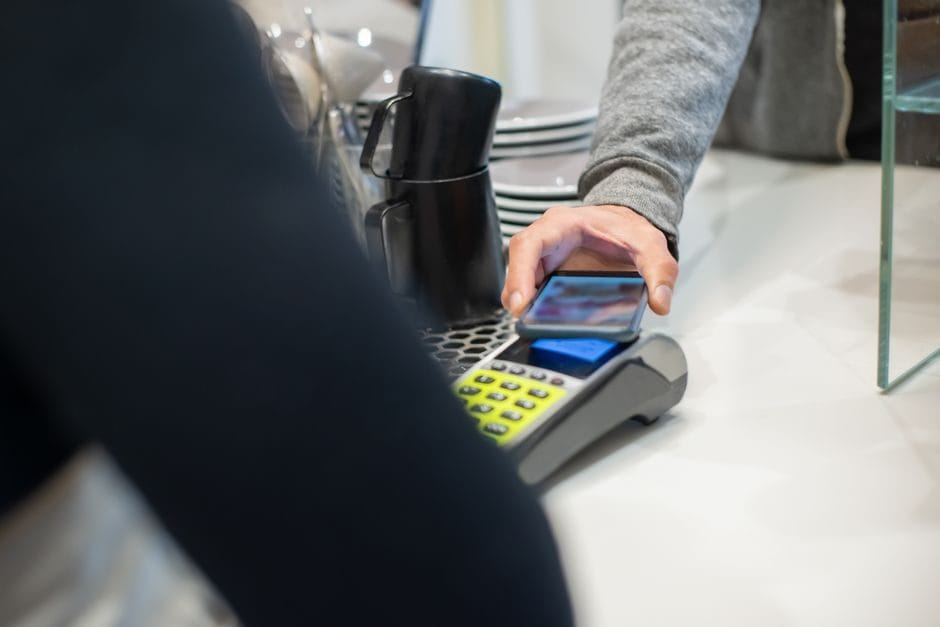
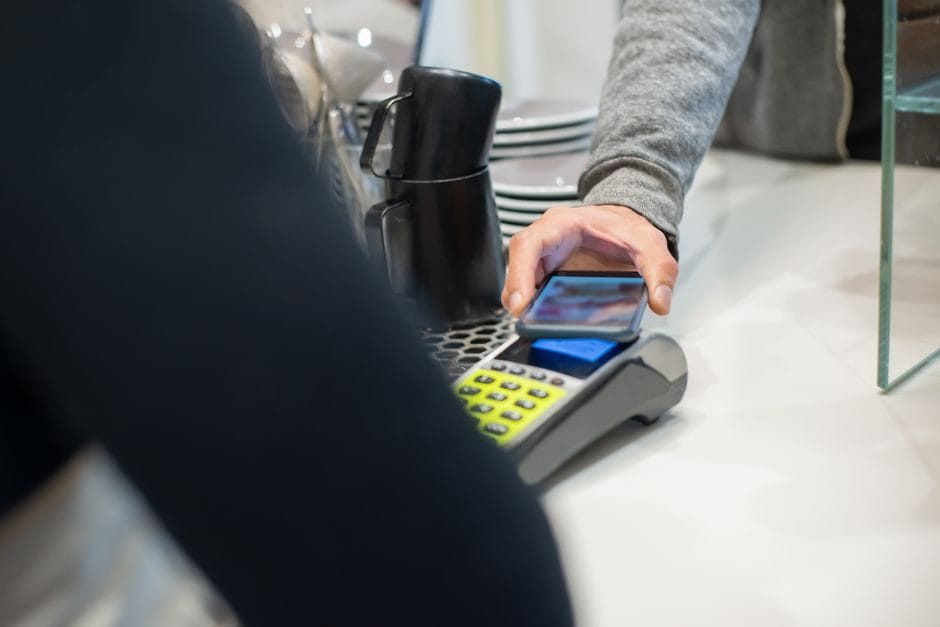
You spend weeks hunting for the cheapest flights, then hand back a chunk of the saving the moment you tap your card at a tapas bar in Seville. Most people never see it happen, because the cost is baked into the exchange rate or buried in a fee charged in another country two days later. With a record number of Brits heading abroad this July, the gap between the best and worst ways to spend money on holiday is wider than the price difference between two airlines.
The three ways you lose money abroad
There are really only three leaks, and once you know them you can plug all of them in an afternoon. The first is the foreign transaction fee your bank adds — typically around 2.75% to 2.99% with old high-street debit cards from the likes of Barclays or Lloyds. On a fortnight's spending of £1,500 that is roughly £40 to £45 gone, for nothing.
The second leak is the cash machine. Many UK cards charge a withdrawal fee on top of the conversion fee when you take out euros or dollars, sometimes a flat £1.50 plus a percentage. The third, and the most insidious, is the one the machine itself offers you: dynamic currency conversion. When the card terminal or ATM asks whether you'd like to pay "in pounds" instead of the local currency, it sounds helpful. It is not. You are letting the foreign bank set the exchange rate, and that rate is reliably worse — often by 4% to 7%.
Always choose to be charged in the local currency. "Pay in GBP" is a trap dressed up as a convenience.
What actually works
A fee-free travel card is the boring, correct answer for most people. Chase, Starling and Monzo all give you the Mastercard or Visa wholesale exchange rate with no foreign transaction fee on spending, and they're free to open. Chase even pays a little cashback and interest on the balance, which is a pleasant bonus rather than the reason to bother. Revolut and Wise do the same job and let you hold euros or dollars in advance, though Revolut adds a small markup at weekends and Wise charges a transparent conversion fee that's still far below what your old debit card does.
Halifax's Clarity credit card remains a long-standing favourite for spending with no FX fee, and a credit card carries the extra protection of Section 75 on purchases over £100 — useful if a hotel or car-hire firm goes bust. The catch with any credit card is cash: withdrawing money on it abroad usually triggers interest from day one, so keep it for paying, not for the ATM.
The euros-in-advance question
People agonise over whether to buy currency before they go. For a handful of notes to cover the taxi and a coffee on arrival, yes — order online from somewhere like the Post Office or Eurochange and collect it, rather than buying at the airport, where the rates are frankly insulting. But there is no point loading up hundreds of euros in cash. You lose on the spread twice, once buying and once if you bring leftover notes home, and you're carrying a wallet full of something a card does better.
A quick pre-trip checklist
- Open a fee-free card at least two weeks before you fly, so it arrives and you can activate it.
- Tell the app you're travelling if it asks, and check the daily ATM limit.
- Carry a second card from a different network, kept somewhere separate, in case one is lost or blocked.
- When any machine offers to charge you in pounds, decline every single time — even when you're tired and it's the last thing you want to read.
The frustrating part is that none of this is hidden in the small print so much as hidden in plain sight, relying on the fact that you're on holiday and not in the mood to do sums. A family spending £2,000 over two weeks can comfortably save £80 to £120 just by swapping the card in their pocket — more than the difference they sweated over when booking the seats.
Sort the card before you pack the sun cream. It's the rare bit of money admin that takes twenty minutes and pays for a couple of decent dinners.