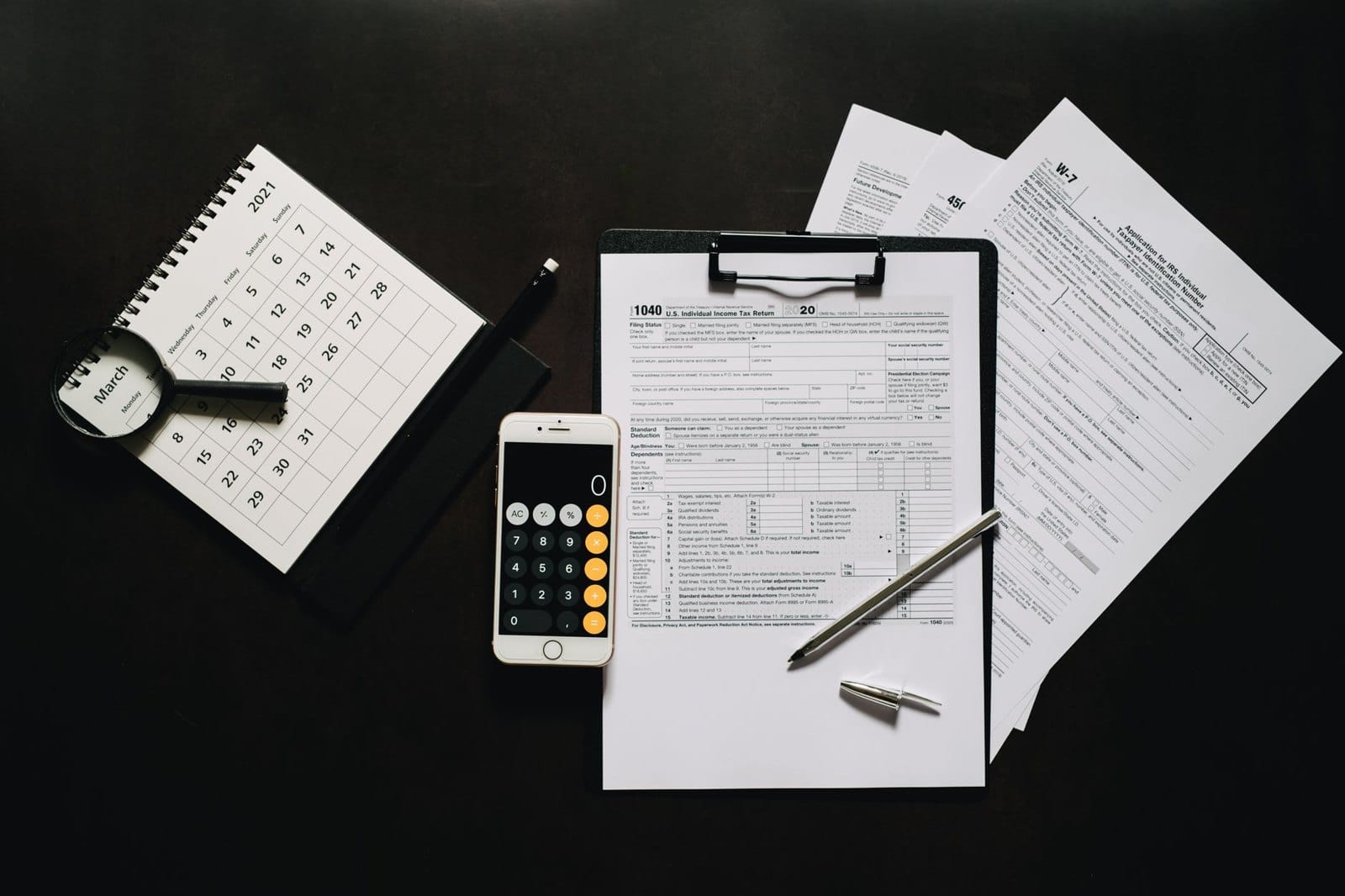
Every April, a small slice of money that used to be yours quietly stops being yours, and almost nobody notices the exact moment it happens. Your salary nudges up with a pay rise, a second job lands a few extra hundred pounds a month, or your pension finally starts paying out — and a chunk of that increase vanishes into tax you weren't paying the year before. The trick is that nothing on the tax form changed. The personal allowance sat frozen at £12,570, the higher-rate threshold stayed pinned at £50,270, and yet your bill went up. This is fiscal drag, and it is the most effective tax rise no Chancellor has had to stand up in the Commons and announce.
Frozen thresholds are a tax rise with the lights off
Here is the mechanism in plain terms. Income tax thresholds normally rise a little each year to keep pace with prices and wages. When they stop rising but your income keeps climbing — even just with inflation — more of your money crosses into a taxed band, or into a higher-taxed band. HMRC collects more without the rate ever changing. The personal allowance and the £50,270 higher-rate threshold have been held flat since April 2021, and current policy keeps them frozen until April 2028. Seven years of standstill, against years of rising wages, is a very long freeze.
The cruellest part is who it catches. Someone earning £48,000 today might assume the 40% rate is a problem for other people, the sort who drive nicer cars and holiday somewhere with better weather. But a couple of decent pay rises over the next two years, and part of their salary tips over £50,270 into higher-rate territory. They never asked to become a higher-rate taxpayer. They simply stood still while the line under their feet refused to move with them.
The numbers that actually move the needle
Watch three specific lines, because these are where the freeze does its real work:
- £12,570 — the personal allowance. Earn below it and you pay no income tax; every pound above it is fair game.
- £50,270 — where the 40% higher rate starts. Crossing this also shrinks your tax-free savings interest allowance from £1,000 to £500, so the sting is double.
- £100,000 — the one almost designed to catch you out. Between £100,000 and £125,140 your personal allowance is withdrawn at £1 for every £2 earned, which produces an effective marginal tax rate of 60% on that band. A bonus that pushes you into it can genuinely leave you keeping 40p of the next pound.
That 60% trap deserves a moment, because it is wildly counter-intuitive and routinely ambushes people who are, on paper, doing very well. If your income lands just over £100,000, paying more into a pension to bring your taxable figure back below the line is one of the few moves that the maths flatly rewards. You are not dodging anything. You are using a relief that exists precisely for this.
What you can actually do about it
You cannot vote the thresholds up, but you have more levers than the gloom suggests. Three are worth real attention.
Use your pension to shift the line
Pension contributions reduce your taxable income, which means they can pull you back below £50,270 or out of that £100,000 to £125,140 stretch. For a higher-rate earner, putting £100 into a pension can cost as little as £60 after relief — and inside the 60% band, the effective discount is steeper still. Salary sacrifice, where your employer offers it, also trims your National Insurance on top. If you do one thing this tax year, make it this.
Fill the ISA before the income is taxed at all
Interest, dividends and capital gains inside an ISA sit entirely outside this whole calculation — frozen thresholds simply don't reach them. The £20,000 annual ISA allowance resets every 6 April and does not roll over, so an allowance you don't use is an allowance you lose forever. With the personal savings allowance shrinking the moment you hit higher rate, a cash ISA stops being a tidy habit and starts being a genuine shield.
Share allowances if you're a couple
Two people each have their own £12,570 personal allowance and their own bands. If one of you pays 40% and the other has unused allowance, moving savings or investments into the lower earner's name can cut the household bill with no clever footwork involved. Marriage Allowance lets a non-taxpayer hand £1,260 of their allowance to a basic-rate spouse — not life-changing, but it is free, and a surprising number of eligible couples never claim it.
The freeze is quiet, not invisible
None of this is exotic. There is no offshore wrapper, no scheme with a three-letter acronym and a nervous accountant attached. It is pensions, ISAs and a marriage certificate — tools sitting in plain sight that the freeze makes more valuable every single year it drags on. The people who lose most to fiscal drag are not the ones who plan around it. They're the ones who assumed that because the headline rates never changed, neither did their bill.
Check the three lines once a year, ideally a few weeks before the April deadline rather than the night before. A pay rise that quietly tips you over £50,270 is much easier to handle in February, with a pension top-up still possible, than in a panic on 4 April. Premium Bonds and base-rate chatter get all the airtime; the freeze just keeps working in the background, taking a little more each time you weren't looking.