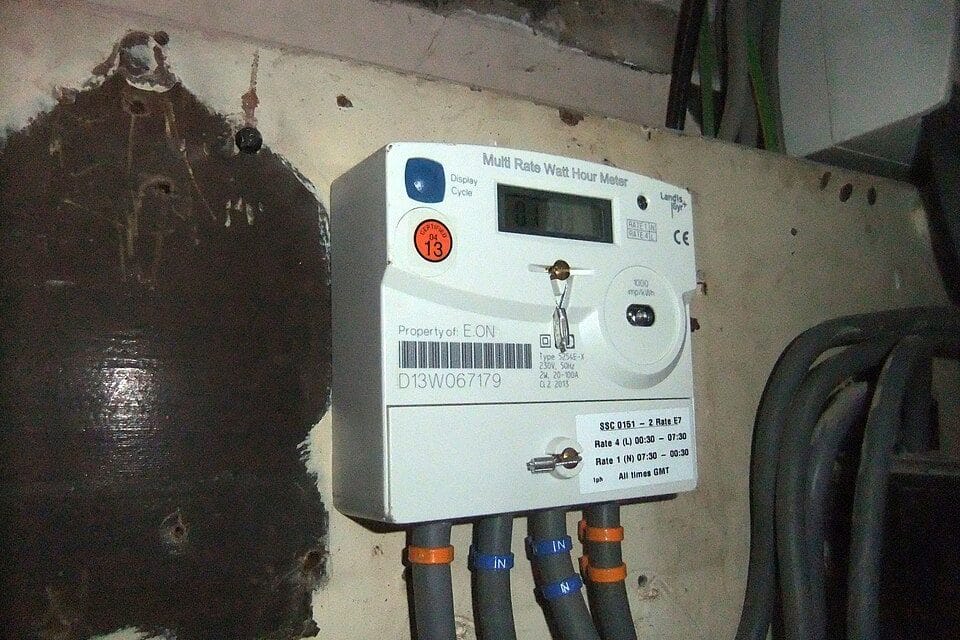
Log into your energy account this week and there's a decent chance you'll find more credit sitting there than you expected — £150, £300, sometimes north of £400 if you're on a big direct debit and live somewhere mild. Suppliers set your monthly payment to smooth costs across the year, which means every June and July you're paying for heating you're not using while the balance quietly climbs. Most people never check. The ones who do often get the difference back within a fortnight, sometimes without even having to ask.
Why your balance swells every summer
Energy suppliers calculate your direct debit using an estimate of your annual usage, then divide it into twelve equal monthly payments so you're not hit with a huge bill every January. That's sensible in theory. In practice, it means you overpay heavily from April through September, when gas usage for a typical household drops by 70–80% compared with December, and the supplier is meant to draw that surplus down again once the colder months arrive. The system only works if the estimate was accurate to begin with, and a lot of them aren't — especially if you moved home, changed your heating pattern, insulated the loft, or switched from a gas boiler to an electric heat pump sometime in the last year without your supplier catching up. Estimates also lag behind genuine behaviour change, so a household that's cut its washing machine and tumble dryer use, switched to LED lighting throughout, or started working from a co-working space three days a week instead of running the heating at home will keep paying the old, higher rate until someone actively flags the difference. None of this gets corrected automatically just because your usage has dropped — the supplier's system keeps billing against the last confirmed estimate until fresh meter data forces a recalculation, and fresh data only arrives if you submit it or your smart meter is actually transmitting properly. That gap between what you're being charged and what you're using is where the summer credit balance comes from, and it can persist for months if nobody on either side checks it.
Octopus Energy, British Gas, E.ON Next and OVO Energy all use broadly the same model: a rolling 12-month estimate reviewed every few months, adjusted against actual meter readings when you submit them. If you haven't submitted a reading since March, your supplier is still billing you against a forecast made in winter, and that forecast almost never accounts for how little energy a well-insulated three-bed semi uses in July. Submit a reading today and you'll often see the "estimated annual usage" figure on your account drop noticeably — which is usually the first sign a refund is coming.
The rule that actually protects you
Ofgem doesn't let suppliers just sit on your money.
Under Ofgem's Direct Debit and Refund guidance, suppliers must review your payment amount at least once every three months and offer a refund if your account is in credit beyond what's reasonably needed to cover the coming months' bills. "Reasonably needed" is the vague part — suppliers get to define what counts as a sensible buffer, and most build in a cushion equivalent to one or two months of winter usage. That's fair up to a point. Where it becomes unfair is when a supplier holds several hundred pounds of your money for the best part of a year on the assumption you might need it eventually, rather than adjusting your monthly payment down to match what you're actually using.
How much you might be sitting on
The exact number depends on your tariff, your usage pattern and how long it's been since your last meter reading, but the shape is consistent across most households on standard variable or fixed tariffs. If your direct debit was set based on last winter's price cap — Ofgem's cap sat at roughly £1,720 a year for a typical dual-fuel household on direct debit through the second quarter of 2026 — and your actual summer usage is running well below that annualised rate, the gap accumulates fast. A household paying £145 a month against £95 worth of actual monthly usage builds a £50 surplus every four weeks. By August, six months into the payment cycle, that's £300 sitting with the supplier, earning them interest and earning you nothing.
Check your balance against your last three bills rather than trusting the headline "you're in credit" banner some supplier apps show — that figure is often a rolling estimate rather than a true reconciliation, and it can undersell how much you're actually owed.
What that money could be doing instead
Three hundred pounds sitting with your energy supplier isn't just idle — it's actively losing you money compared with almost anywhere else you could park it. A top easy-access savings account was paying around 4.5% AER in mid-2026, which on £300 works out to roughly £13.50 a year if left for twelve months, and considerably more if you're carrying a larger surplus. Energy suppliers pay no interest on customer credit balances at all; the money just sits there as an interest-free loan from you to them. Move that same £300 into an easy-access account or a fee-free current account offering cashback, and you've turned dead money into something working, even if the sum feels small next to your monthly outgoings. It adds up faster than most people assume, particularly for households running two energy accounts — one at a primary residence, one at a rental property or a parent's house they help manage — where the combined idle balance can easily clear £600 without anyone noticing. Treat a credit refund the same way you'd treat any other stray pot of money: sweep it into wherever it earns something rather than leaving it to sit.
This matters more the higher your direct debit, and it compounds if you're one of the roughly one in six UK households Ofgem estimates are paying more than 10% above their actual usage. Multiply a modest £25-a-month overpayment across a household that's been on the same tariff for eighteen months without a balance review, and you're looking at £450 or more sitting idle — enough to make a genuine dent in a Christmas budget, a car MOT, or a Lifetime ISA top-up before the tax year ends.
Smart meters make the numbers hard to argue with
If you've got a smart meter that's actually sending readings — not all of them do, particularly older SMETS1 devices in areas with patchy signal — your supplier already has the real usage data sitting in their system, which removes the "we're working off an old estimate" excuse almost entirely. Check your in-app usage graph against the same period last year: if July and August this year show materially lower daily kWh than last summer, that's the evidence a refund request needs, and most supplier chat agents will action it faster when you can point to a specific comparison rather than just saying the balance "looks high". Older meters, or smart meters that have dropped back to manual mode, mean you'll need to submit readings by hand — do it on the same day each month so the pattern reads clearly rather than in scattered, inconsistent bursts.
Getting the money back, supplier by supplier
Every major supplier lets you request a refund online, though the exact route through the app or website varies. It's worth doing this properly rather than firing off a vague complaint — vague requests get vague, slow responses.
- Octopus Energy: log into your dashboard, submit a fresh meter reading, then use the in-app chat or the "Ask for a refund" option under your account balance — refunds typically land within 3–5 working days once approved.
- British Gas: submit a reading via the app, then go to "My Balance" and select "Request a refund"; if the online option isn't showing, calling their billing line usually gets it processed the same day.
- E.ON Next: the account dashboard shows a "Refund available" prompt automatically once your credit passes their internal threshold, which tends to be more proactive than most competitors.
- OVO Energy: refunds go through the "Payments" tab, and OVO will sometimes offer to reduce your monthly direct debit instead of a lump-sum refund, which is worth considering if your usage is genuinely trending down long-term.
Submit an accurate meter reading before you ask for anything. Suppliers can and do decline refund requests when your account is still running on an old estimate, because from their side the numbers don't yet show the surplus you're describing.
Where this gets more complicated than "just ask for it back"
Taking the full credit balance out in July isn't always the right move, and this is where a lot of refund guides oversimplify things. If you drain your account down to zero now, you're relying on your direct debit being correctly sized to cover the ramp-up in usage from October onwards — and given that suppliers are often slow to revise estimates upward as fast as they revise them downward, plenty of people who empty their summer credit end up facing a payment shortfall notice in December, right when a price rise or a cold snap makes that the worst possible time to find out. A better approach for most households is a partial refund: take back half to two-thirds of the surplus and leave a buffer roughly equivalent to one month's winter bill sitting in the account.
Ask for a refund of £200 out of a £300 credit balance rather than the full amount, and request that your monthly direct debit be recalculated at the same time — most supplier apps let you do both in a single request, and it stops the same overpayment problem quietly rebuilding itself by October.
If your supplier won't budge
Suppliers occasionally refuse refund requests on the grounds that your account needs a bigger buffer than you think it does, and they're within their rights to make that judgement call within reason. If a refusal seems unreasonable — say, they're citing a "safety buffer" larger than a full month's typical winter bill, or they're citing your account history from a previous property — escalate through their formal complaints process first. If that doesn't resolve things within eight weeks, or you get a deadlock letter, the Energy Ombudsman will look at the case free of charge, and refund disputes are one of the categories they handle most often. Citizens Advice's consumer helpline is also worth a call if you want a second opinion before escalating formally; they see this exact dispute constantly and can tell you quickly whether your case is a strong one.
Set a reminder for late September to check your balance again. Direct debit reviews are supposed to happen quarterly, but plenty of accounts drift for six months or more before anyone — supplier or customer — actually looks at the numbers properly.