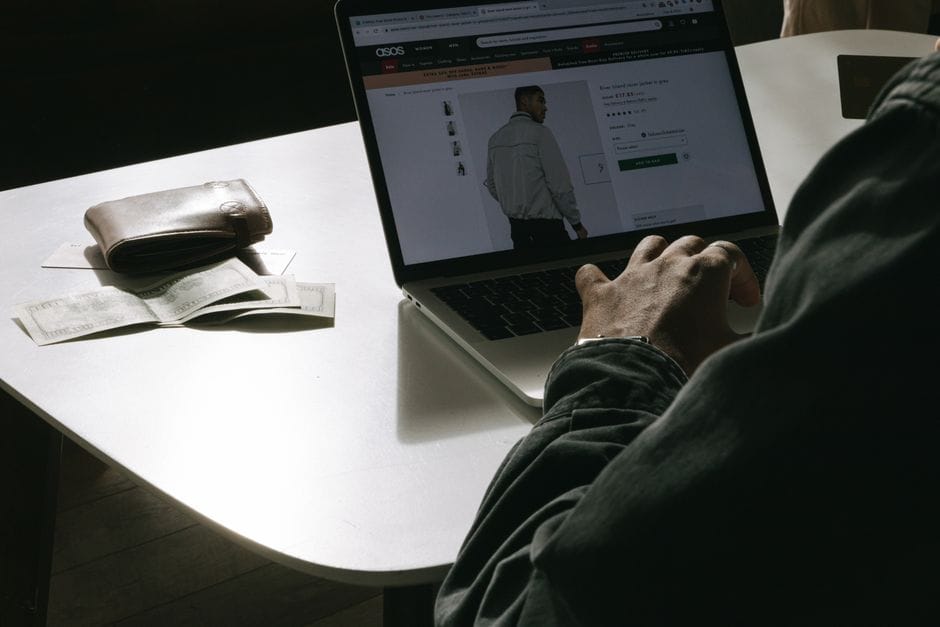
At the checkout, the offer is tempting: split the cost into a few painless instalments, often with no interest. Buy Now Pay Later has spread rapidly, especially online, because it makes spending feel free. It is not. It is debt in a friendlier outfit, and it carries risks worth understanding.
How it works
Buy Now Pay Later, or BNPL, splits a purchase into several payments — commonly spread over a few weeks or months. Used as intended, with the payments cleared on time, it can be interest free and harmless. The danger lies in how easily it encourages you to spend more than you can comfortably repay.
The real risks
- Stacking up. It is easy to take several BNPL plans across different shops at once, losing track of how much is due and when.
- Missed-payment penalties. Late fees and charges can turn an interest-free deal into an expensive one.
- Debt collection and credit records. Missed payments can be passed to collectors and increasingly show up on your credit file, affecting future borrowing.
- Spending more. Splitting the price makes expensive things feel affordable, nudging you to buy what you would otherwise skip.
Using it safely
If you use BNPL, treat each plan as the real debt it is. Keep a list of what you owe and when, set reminders for every payment, and never start a plan you are not certain you can clear. Above all, ask whether you would buy the item if you had to pay the full price today — if the answer is no, the instalments are simply talking you into it.
The takeaway
Convenience is not the same as affordability. BNPL can be a useful tool for spreading a planned cost, but it quietly trains you to spend beyond your means. Handle it with the same caution as any other borrowing.